Revive Dormant Shopify Customers with Email Magic
**Think dormant customers are gone for good? Think again.** Re-engagement emails can boost your revenue by up to 50%. Abandoned carts and forgotten wish lists are not a dead end—they're an opportunity. Many Shopify merchants underestimate the potential of re-engaging customers who have gone silent.
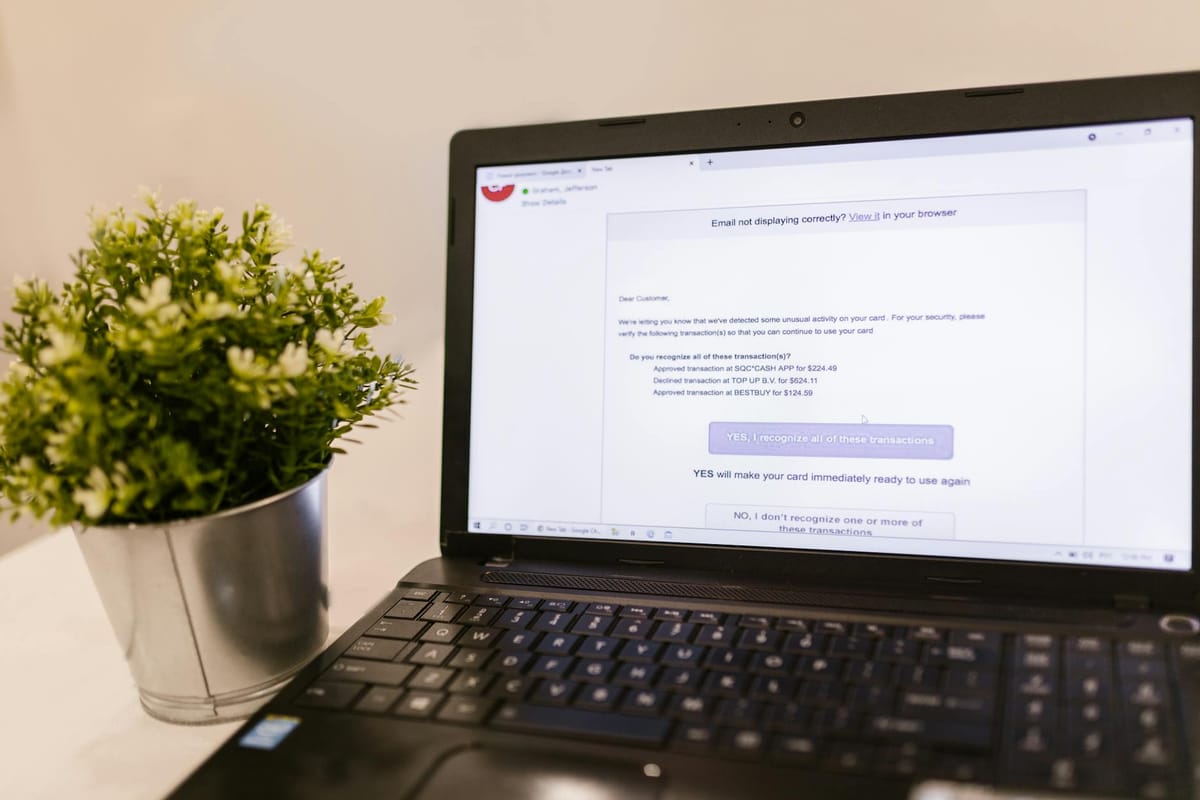
Think dormant customers are gone for good? Think again. Re-engagement emails can boost your revenue by up to 50%. Abandoned carts and forgotten wish lists are not a dead end—they're an opportunity. Many Shopify merchants underestimate the potential of re-engaging customers who have gone silent. It's not just about sending another email; it’s about reigniting a spark and reminding them why they chose your store in the first place.
The reality is, acquiring a new customer can cost up to five times more than retaining an existing one. Yet, many Shopify merchants focus heavily on new customer acquisition, leaving a treasure trove of existing customers untapped. Dormant customers, those who haven’t interacted with your brand in months, represent a significant portion of your potential revenue. Ignoring them is like leaving money on the table. Shopify's customer retention strategies emphasize the value of bringing these customers back to life.
In this article, we'll dissect the art of re-engagement emails, explore real-world strategies that work, and provide actionable insights to measure success. From crafting personalized messages to perfecting timing, we’ll cover it all. Ready to turn dormant customers into active spenders? Let’s dive in.
The Dormant Customer Dilemma: Why They Matter
Ignoring dormant customers is a costly mistake. They might seem like a lost cause, but these customers have already shown interest in your store. Studies show that a mere 5% increase in customer retention can lead to a profit increase of 25% to 95%. Dormant customers are not just cold leads; they’re warm potential sales waiting for the right nudge.
The Cost of Dormancy
Re-engaging dormant customers is crucial for sustaining and growing your Shopify store. Dormant customers often leave due to lack of engagement or perceived lack of value, not because they’re disinterested. Consider this: the average value of a repeat customer order is $47, significantly higher than that of a first-time buyer. By focusing on re-engagement, you tap into those higher-value transactions.
A case study by Bain & Company found that repeat customers spend more and are more likely to try new products. By ignoring the dormant segment, you're missing out on these opportunities. Dormant customers provide a unique chance to deepen relationships, encourage more frequent purchases, and ultimately increase their lifetime value.
How to Identify Dormant Customers
Identifying dormant customers is the first step in your re-engagement strategy. Use your Shopify analytics to track purchase frequency and customer interaction over time. Look for those who haven’t made a purchase in the last 6-12 months. These metrics will help you segment your audience and tailor your outreach.
- Segment your email list by last purchase date.
- Analyze purchase history to find common drop-off points.
- Use surveys or feedback forms to understand why they stopped buying.
For example, if you notice a pattern where customers tend to drop off after purchasing a specific product, it might suggest that the product didn't meet their expectations, or they didn't find the necessary follow-up support or related product options.
Common Mistakes in Re-Engagement
One common pitfall is treating all dormant customers the same. Not all dormancy is created equal; some may require a simple reminder, while others need a stronger incentive. Another mistake is bombarding them with generic offers, which can lead to further disengagement. Avoid overwhelming your audience with too many emails. Frequency matters, and so does content quality.
Pro Tips for Success
Tailor your message to the customer's past buying behavior. Personalization isn't just a buzzword; it's essential for making your emails resonate. Use their name, reference past purchases, and offer relevant products. A well-timed, thoughtful email can reignite their interest and drive them back to your store.
Additionally, consider integrating a loyalty program to give dormant customers a reason to return. By offering points or rewards for their next purchase, you can incentivize them to re-engage with your brand.
Transition to Crafting Compelling Emails
Understanding the value of dormant customers is just the beginning. Next, we’ll explore how to craft emails that not only grab attention but also convert. Ready to learn the secret sauce of successful re-engagement? Let's go.
Crafting Compelling Re-Engagement Emails: The Secret Sauce
Personalization is your secret weapon in re-engagement. A generic email won't cut it. Customers today expect tailored experiences. Research shows that personalized emails can deliver six times higher transaction rates. But how do you craft a message that not only captures attention but also prompts action? It’s all about the details.
Personalization Tactics
Personalization goes beyond using a customer's name. It involves leveraging data to create an experience that feels unique to each recipient. Use purchase history, browsing behavior, and demographic information to tailor your message. For instance, if a customer frequently bought men’s shoes, highlight similar new arrivals or offer a discount on their next shoe purchase.
Consider a scenario where a customer hasn't shopped in months. You could send them an email that says, "It's been a while! We've missed you. Here's a special 20% discount on your favorite items." By referencing their past purchases and offering a personalized incentive, you tap into their previous interests and encourage a return visit.
A real-world example is a clothing retailer that saw a 23% increase in click-through rates by segmenting their email list based on past purchases and browsing history. By sending personalized product recommendations, they not only re-engaged dormant customers but also increased conversion rates.
How to Personalize Effectively
- Segment your email list by shopping habits and preferences.
- Use dynamic content to tailor emails to each recipient’s interests.
- Incorporate personalized offers based on past purchases or abandoned carts.
For example, if a customer abandoned a cart with a specific item, your re-engagement email could include a reminder of that item with a small discount to encourage completion of the purchase.
Email Frequency Myths
Many believe that bombarding dormant customers with frequent emails will bring them back. Wrong. It’s about quality, not quantity. Over-emailing can lead to unsubscribes. Instead, focus on sending fewer, but more impactful messages. A well-timed email, perhaps every 4-6 weeks, can be more effective than a weekly barrage.
Consider testing different frequencies with A/B testing. Some customers may respond better to a monthly newsletter, while others might prefer sporadic, event-driven emails. Understanding these preferences can guide your approach and prevent unsubscribes.
Common Mistakes to Avoid
Avoid making emails too promotional. While offers and discounts can entice, they shouldn’t be the sole focus. Balance promotional content with value-driven messages, such as educational tips or exclusive sneak peeks. Also, ensure your emails are mobile-friendly—over 50% of emails are opened on mobile devices.
Additionally, avoid using a one-size-fits-all approach for your subject lines. A compelling subject line tailored to the recipient can dramatically increase open rates. For instance, using urgency or exclusivity, like "Last Chance to Save 20%!" can prompt immediate action.
Pro Tips for Crafting Emails
Use a catchy subject line to grab attention. Test different headlines to see what resonates. Incorporate visuals that align with your brand to maintain consistency and appeal. And always include a clear call to action, guiding the recipient on what to do next.
Consider using storytelling in your emails. Share a success story of how another customer benefited from a product, or highlight a new product feature. Storytelling can make your email more engaging and relatable, encouraging customers to act.
Transition to Real-World Strategies
Crafting a compelling email is just one part of the puzzle. Next, we’ll delve into real-world strategies and case studies that showcase the power of re-engagement emails. Ready to see how others have succeeded? Keep reading.
Real-World Email Strategies Proven to Work
Ever wonder what makes some email campaigns wildly successful while others flop? Real-world examples can provide valuable insights. Seeing what works—and what doesn’t—can guide your strategy and help avoid costly mistakes. From success stories to lessons learned, understanding these dynamics is crucial.
Success Stories
Let’s look at a real-life example. A beauty brand noticed a drop in repeat purchases. By implementing a re-engagement campaign that offered personalized product recommendations and exclusive discounts, they saw a 30% increase in returning customers. They segmented their email list based on past purchases and personalized their messages, leading to higher engagement and conversion rates.
Another case involved a home goods retailer that re-engaged customers by sending a series of educational emails about home decor trends. This approach not only brought back dormant customers but also positioned the brand as an authority in their niche.
Consider the example of an online bookstore that sent personalized recommendations based on previous purchases. By highlighting new releases and offering a limited-time discount, they re-engaged 15% of their dormant customer base within three months.
How to Implement Proven Strategies
- Analyze past email campaigns to identify what worked.
- Test different approaches like exclusive offers or educational content.
- Monitor engagement metrics to refine your strategy continuously.
Use tools like Shopify's analytics to track customer behavior and tailor your email campaigns accordingly. By understanding what resonates with your audience, you can craft more effective re-engagement strategies.
Learning from Mistakes
Not all campaigns are successful, and that’s okay. What matters is learning from those experiences. One common mistake is failing to segment the audience, resulting in generic messages that don’t resonate. Another is ignoring email metrics, which can provide vital insights into what’s working and what needs adjustment.
For instance, if a campaign resulted in high unsubscribe rates, it might indicate that the content wasn't relevant or the frequency was too high. By analyzing these outcomes, you can make data-driven decisions to improve future campaigns.
Pro Tips for Strategy Success
Regularly update your email list to ensure you’re reaching active subscribers. Incorporate A/B testing to determine the most effective elements, such as subject lines or images. And consider timing. Sending emails at optimal times can significantly improve open and click-through rates.
Consider integrating customer feedback into your strategy. By asking for feedback in a follow-up email, you can gain insights into what customers want and how to better serve them. This feedback loop can enhance your email strategy and improve customer satisfaction.
Transition to Measuring Success
With strategies in place, how do you measure their effectiveness? The next section will explore key metrics and how to interpret them to guide your re-engagement efforts. Ready to dive into the numbers? Let's go.
Measuring Success: Metrics That Matter
Not all metrics are created equal. Understanding which ones to track is crucial for assessing the success of your re-engagement efforts. While open rates and click-through rates are important, they don’t tell the whole story. Let’s explore the metrics that truly matter and how they can inform your strategy.
Understanding Email Metrics
Metrics provide insights into how your emails perform and where improvements are needed. Key metrics include open rates, click-through rates, conversion rates, and unsubscribe rates. Each offers valuable information about your audience's engagement and preferences.
A study by Campaign Monitor found that personalized subject lines can boost open rates by 26%. By tracking and analyzing these metrics, you can identify trends and adjust your strategy to improve results.
How to Track and Interpret Metrics
- Monitor open rates to gauge the effectiveness of your subject lines.
- Analyze click-through rates to understand the appeal of your content.
- Track conversion rates to measure the success of your call to action.
Use tools like Google Analytics or email marketing platforms to dive into the details. These tools can show you which links are being clicked, which emails are opened, and which result in conversions. This insight is invaluable for refining your approach.
Common Pitfalls in Metric Analysis
Focusing solely on open rates can be misleading. High open rates don’t necessarily translate to conversions. Similarly, a low unsubscribe rate isn’t always a sign of success if engagement metrics are low. It’s essential to look at the full picture to make informed decisions.
For example, if your emails have high open rates but low click-through rates, it might indicate that while your subject lines are effective, the content isn't compelling enough to drive action.
Pro Tips for Data-Driven Decisions
Regularly review your email metrics and compare them against industry benchmarks to gauge performance. Use A/B testing to refine your approach and identify the most effective strategies. And don’t forget to solicit feedback from your audience to gain additional insights into their preferences.
Consider creating a dashboard to track your key metrics over time. This visual representation can help you spot trends, identify areas for improvement, and celebrate successes.
Transition to Conclusion
With a solid understanding of metrics, you can refine your strategy for even greater success. But remember, re-engaging dormant customers is about more than just numbers. It's about understanding their needs and crafting messages that resonate. Ready to wrap up and take action? Let's conclude.
Conclusion: Re-engage Dormant Customers with Purpose
Re-engaging dormant customers isn't just about sending emails; it’s about understanding their needs and crafting messages that resonate. The potential revenue boost from re-engagement is significant, but it requires a strategic approach. By focusing on personalization, timing, and understanding key metrics, you can turn dormant customers into loyal advocates.
Start today by analyzing your dormant customer segment and crafting personalized emails that speak directly to their interests. Remember, it's not just about getting them to open an email; it's about reigniting their interest in your brand. By implementing these strategies, you'll not only revive dormant customers but also foster long-term loyalty.
Ready to transform your re-engagement strategy and watch your revenue grow? Dive into your email analytics, test new approaches, and continuously refine your strategy. The potential is immense, and with the right approach, your Shopify store can thrive.